Stay connected
Enter your email to receive updates on The ROCk: progress, events, and ways to get involved delivered straight to your inbox.
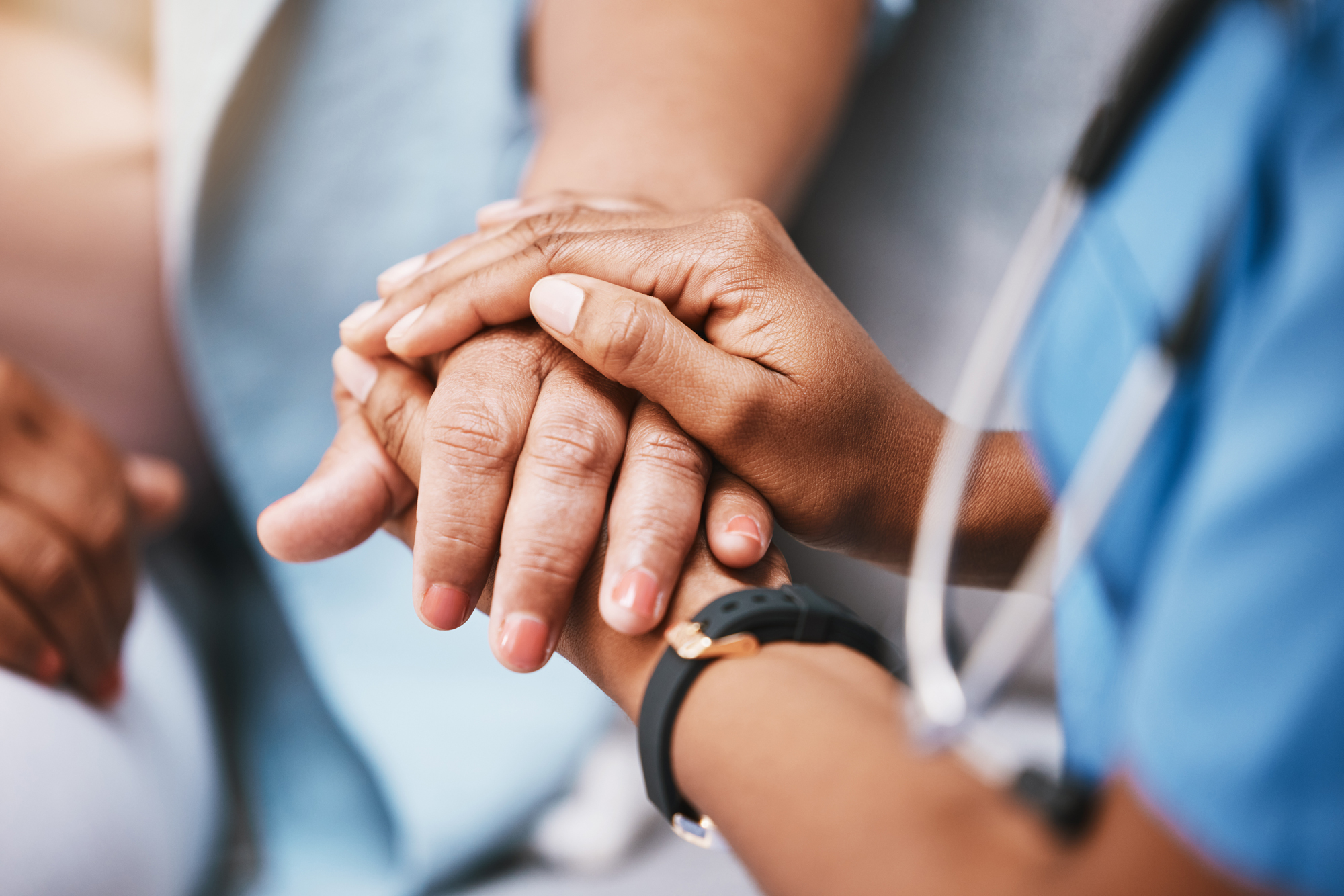

In the winter of 2006, Santa Fe lost 21 of its homeless neighbors to exposure. That loss was more than a news headline… it set something in motion. Our community stepped in and refused to accept the situation, and the Interfaith Community Shelter (now Interfaith Community Services, or ICS) was established. Since then, our team has been showing up every day to serve the most vulnerable residents in our neighborhoods.
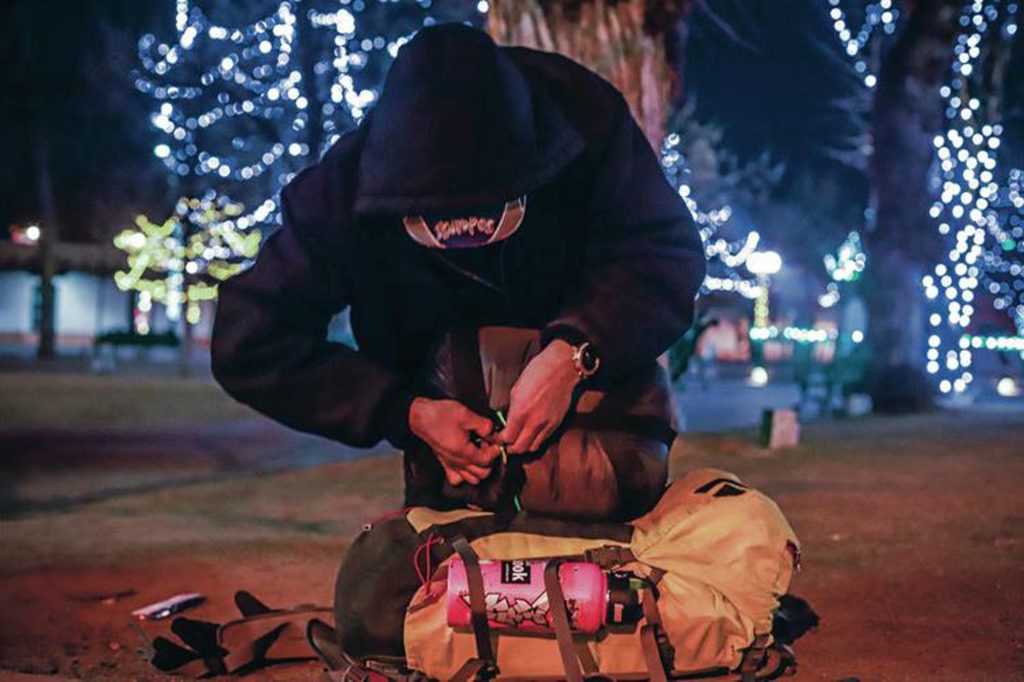
The winter of 2006-2007 was brutally cold in Santa Fe, resulting in the loss of twenty-one people experiencing homelessness who died from exposure. This tragedy shocked the community and compelled faith leaders, parishioners, service providers, and city officials to find solutions so it wouldn’t happen again. The goal was to create a low-barrier, one-stop resource center where people could access more than just a place to sleep. The center also would provide on-site access to services that would help them find permanent housing. From that vision, ICS was born.
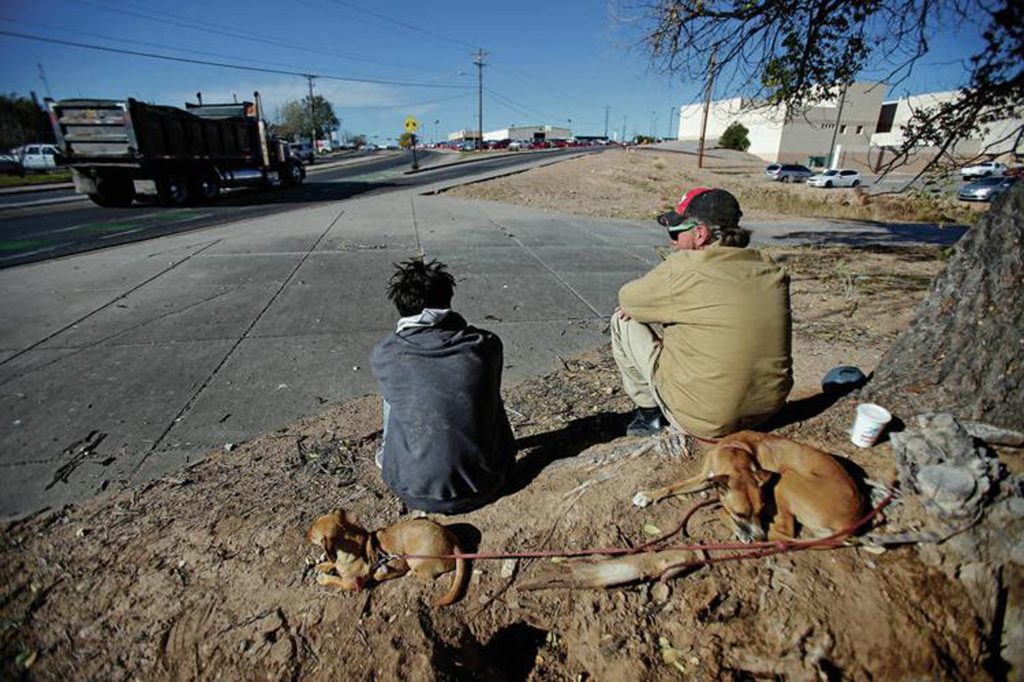
While Pete’s Place saved lives, the makeshift building had real limitations. We started as a seasonal shelter and grew into year-round services, the number of homeless individuals has grown dramatically, and the community’s needs have become increasingly complex over the years.
What ICS learned is what drives every decision about The ROCk: we are using 15 years of experience and extensive research conducted on similar facilities in other communities to create a purpose-built design, programming and an operations plan that makes a real difference for the most vulnerable residents in Santa Fe. Not only will people have a place to sleep, but the daytime space will offer a place to be during the day and provide critical resources and reduce pressure on surrounding neighborhoods.
This low-barrier model will continue when The ROCk is open to the community. People in need can still walk through the door without appointments or referrals. Life stabilizing and life changing services are designed to support the needs of the unhoused while protecting the health and safety of the surrounding neighborhood: a full Day Center, wraparound support in the same location, adequate indoor and outdoor space, and trauma-informed design principles throughout the whole building.